

Neurodiversity-aware tuition
Teaching that adapts to the learner.
Neurodiversity is at the heart of what we do.
Your child does not need a formal diagnosis for us to help.
01Understand the individual
It starts with your child.
What could they talk about for hours? What makes them close their book? We start by listening to your child and to what you notice at home.
Before focusing on grades, we take time to understand the learner.
We consider their strengths, interests, communication style, confidence, sensory preferences and previous experiences of education. This allows us to create sessions that feel safe, manageable and genuinely engaging.

02Build trust and emotional safety
Room to say “I’m not sure.”
Knowing who will be there and what happens first can make a lesson feel easier to join. We might begin with a familiar activity and agree a way for your child to ask for a pause.
Students are never made to feel rushed, embarrassed or judged for needing something explained in a different way.

03Identify strengths and barriers
Where does it start to feel tricky?
Many neurodivergent students come to tuition believing that they are “bad” at a subject or that they should already understand something.
Often, the difficulty is not their ability. They may need information presented differently, additional processing time, clearer structure or the confidence to ask questions without fear of getting something wrong.
What we notice
A learner can explain a character’s motives in conversation, then gets stuck in front of a blank page.
What we try
We jot down their own words together. They choose one idea to turn into the first sentence.
04Adapt teaching and the learning environment
One idea, many ways in.
We can change the materials, the room, the pace or the way your child answers. Here’s what that can look like in a lesson.
-
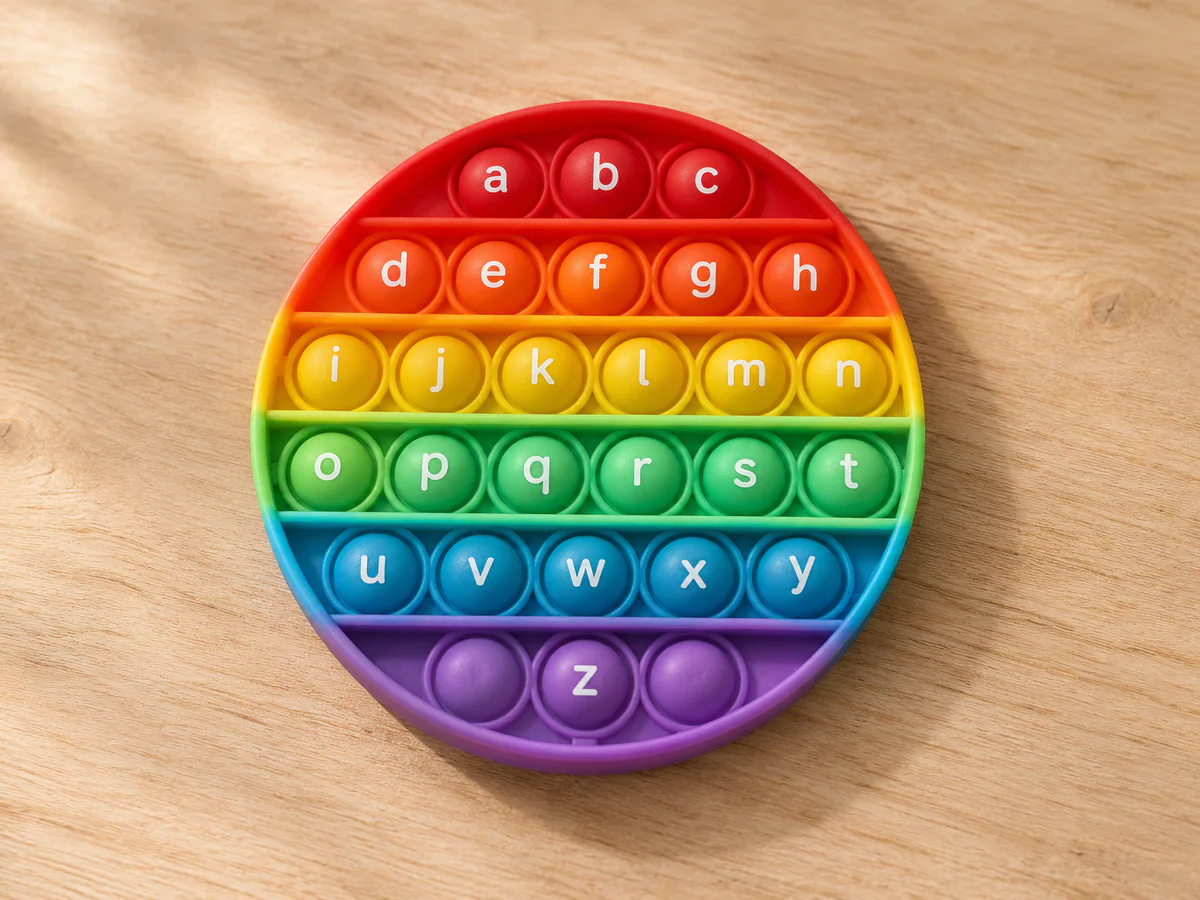
Interactive learning
Using touch as well as sound can help your child remember a new letter or word.
-

Visual explanations
Seeing how something changes can make an abstract idea easier to understand.
-

Movement breaks
A chance to move can help your child settle and find their focus again.
-

Alternative communication
Having a choice of ways to answer lets your child show what they know, even when speaking feels difficult.
-

Personal interests
Starting with something your child loves gives them a familiar way into a new topic.
-

Processing time
A pause gives your child time to make sense of a question and decide how to answer.
05Develop confidence and independence
“I know what helps me.”
At first we might sketch the steps together. Later, your child might reach for a pen and draw their own plan before we’ve said a word.
Our tuition aims to help students understand how they learn best. Alongside subject knowledge, we help them develop practical strategies they can use at school, at home and in future examinations.

06Celebrate meaningful progress
When learning feels possible again.
Sometimes the change you notice at home is the one that matters most.
We celebrate progress in all its forms, whether that means completing a challenging question, expressing an idea independently, remaining engaged for longer or beginning to believe in their own ability again.
Where does learning feel difficult?
Learning and communication
Dyslexia
Reading, spelling and written work can take more time and energy. We can make language patterns visible, reduce memory load and build strategies a learner can use independently.
Explore dyslexia tuitionDyscalculia
Number sense, symbols, sequences and recalling maths facts may feel less secure. We use concrete resources, visual models and repeated connections to make mathematical ideas easier to hold onto.
Learn about dyscalculia from the British Dyslexia AssociationDyspraxia
Co-ordination, handwriting, organisation and planning a sequence of actions can all affect learning. We can break tasks into manageable steps and adapt how a learner records their thinking.
Read the NHS guide to dyspraxia in childrenADHD
A learner may need support to begin a task, sustain attention, manage energy or return after a distraction. Lessons can include movement, visible plans, shorter stages and purposeful choices.
Read the NHS guide to ADHD in children and young peopleAutism
Communication, sensory experiences, uncertainty and changes of plan can shape how accessible a lesson feels. We listen to the individual and make the structure, language and expectations clearer.
Explore the NHS autism guideSelective mutism
Speaking may be impossible in particular situations, even when a learner speaks freely elsewhere. We remove pressure to talk and welcome communication through pointing, writing, drawing or other agreed approaches.
Read the NHS guide to selective mutismDevelopmental language disorder (DLD)
Understanding spoken language or finding the words to express an idea can require extra support. We can slow the language down, use visual cues and check understanding without putting the learner on the spot.
Learn about DLD from RADLDExecutive-function differences
Starting, planning, prioritising, remembering instructions and moving between tasks may all be difficult. We make the next step visible and help the learner develop routines that work for them.
Explore practical guidance from Sheffield Children’s NHS Foundation TrustProcessing and working-memory differences
A learner may understand an idea but need longer to respond or fewer pieces of information at once. We allow thinking time, reduce unnecessary memory demands and revisit ideas in different forms.
Read about thinking and organising skills from Berkshire Healthcare NHS Foundation TrustBarriers to accessing education
Anxiety around learning
Worry can make it harder to concentrate, begin work or risk an uncertain answer. Predictability, trust and achievable steps can help a learner feel safe enough to engage.
Read NHS information about anxiety in childrenObsessive compulsive disorder (OCD)
Intrusive thoughts and compulsions can consume attention and make learning situations distressing. Tuition can be paced with care and coordinated with the support already around the learner.
Read the NHS overview of OCDEmotionally based school avoidance (EBSA)
A learner may want to take part in education but feel unable to attend school because of anxiety, overwhelm or another emotional barrier. We begin with what feels possible and work alongside the family and wider team.
Read the YoungMinds guide to school anxiety and avoidanceOther barriers to learning
A child does not need a label or formal diagnosis for us to listen. If learning has become difficult, tell us what you are noticing and we can explore whether our approach could help.
Tell us what would help your childSupport for families, schools and local authorities
We provide both online and in-person tuition and can support students through private family arrangements, school referrals, local-authority funding and Education, Health and Care Plans where appropriate.
We are happy to work collaboratively with parents, carers, schools and other professionals to provide consistent and meaningful support around the learner.
We can talk through EHCP-funded tuition, education otherwise than at school (EOTAS), home education and alternative provision, and where tuition fits within your child’s plan.